Julius Ihle

LookDev/Lighting TD | Compositor

Tag: computer graphics

  • Guardians of the Galaxy 2 Interview

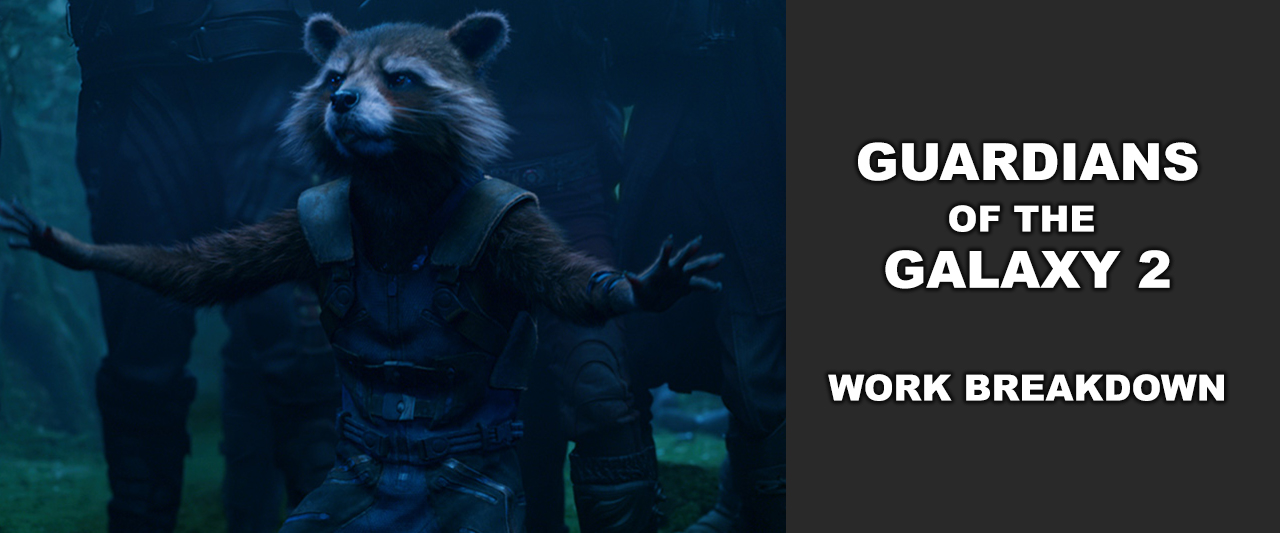
    gotg2breakdownRecently our VFX and Animation Supervisor gave an interview about our work at Trixter on Guardians of the Galaxy 2. It’s been such an outstanding project for me that I feel the urge to share!
    Not only has the work been great, but also the team and the general flow of things! I can’t express how happy I am to have worked with such a great bunch of people! Special thanks to the management who allowed me to fool around on a larger scale on this project and the extraordinary Lighting & LookDev guys that coped with me when I was drowning in Excel sheets :-)
    Have a look at the interview yourself (if you don’t like reading there are lots of pretty pictures, too!): INTERVIEW LINK

    //EDIT: Now there’s also a really cool VFX and Animation Reel with some fun stuff! REEL LINK
  • Maintain Constraint Offset in Katana

    katana_constraint_offset

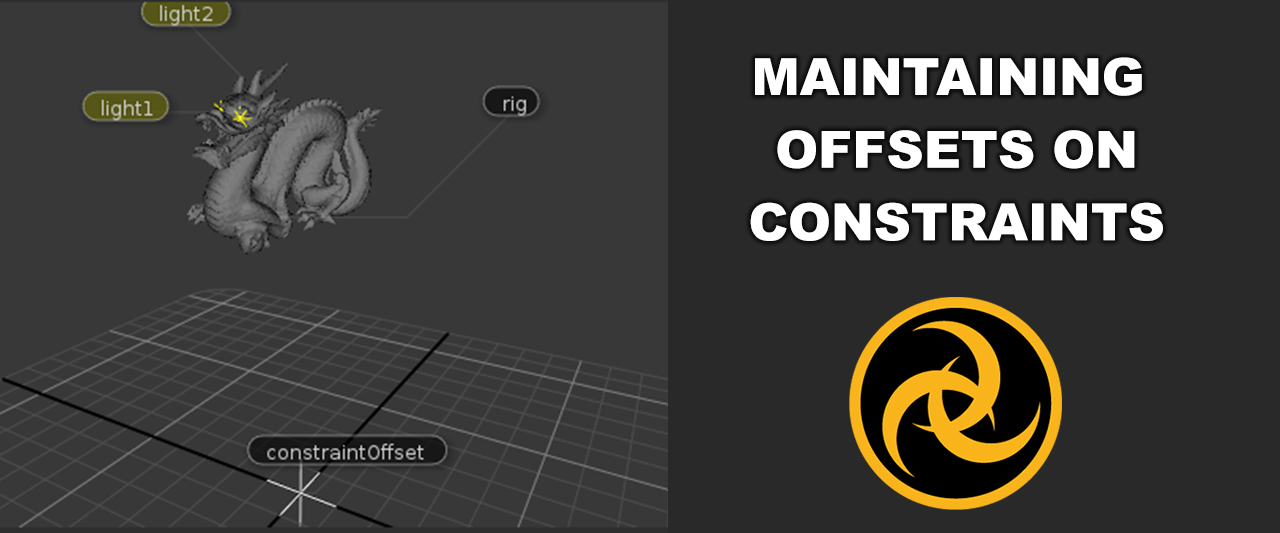
    Constraining things in Katana works well, but can seem somewhat limited if you are coming from a full-featured 3D application. One of the things that can potentially give you headaches is a missing option for “maintaining offset” when you are constraining one object or a lightrig to something else. While this is generally not an issue when you are doing LookDev (as your assets most likely have zero’d out transforms) it can be a bit frustrating to not have that option when you are working on shots, so here’s my hacky way of maintaining constraint-offsets. (more…)

  • HDR Prep Tip #1: Painting out Elements near Poles

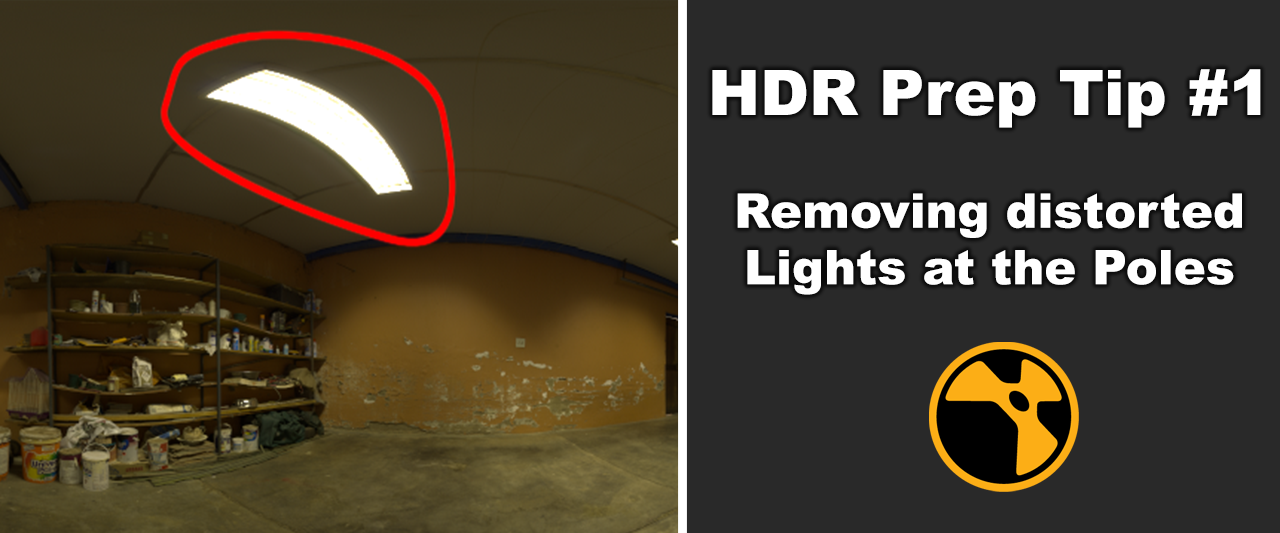
    hdrpreptips1I received a question the other day that was asking how I would approach painting out lights from LatLong HDRI’s that are near the bottom or the top of the image. Anything near those poles will usually be heavily distorted and are a pain to remove if you try to paint on the original map. However there’s quite an easy way to remove them in Nuke and at the same time get the lights to a nice and rectangular format for using them on area lights.

    (more…)

  • Playing with OSL #1: 3D Shading Masks

    osl_pmask

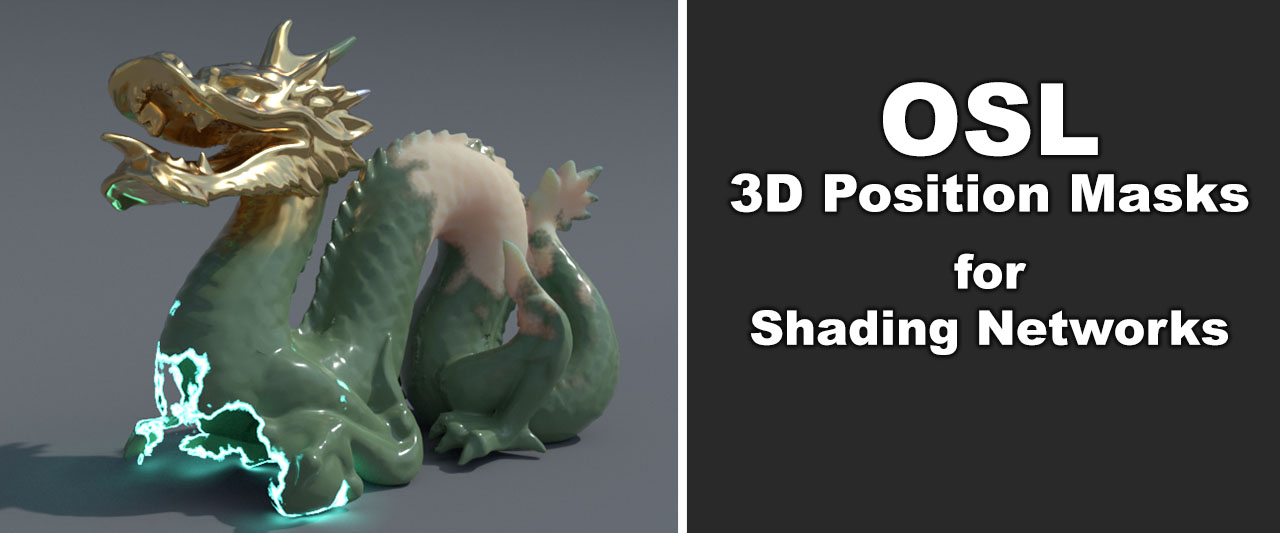
    I have recently started getting into Shader Writing in OSL (actually rather Pattern Writing just to not get frustrated too quickly :-) ). To start things off I wrote a simple Pattern that lets you create a life 3d mask in your shading network that can be used to alter different shading effects in very particular areas of an object without the need to paint texture masks. On top of that being OSL it should work in any renderer that supports it (e.g. PRMan/RIS, Cycles in Blender, VRay, etc).

    (more…)

  • Digital Tutors/Pluralsight Training Release

    dt

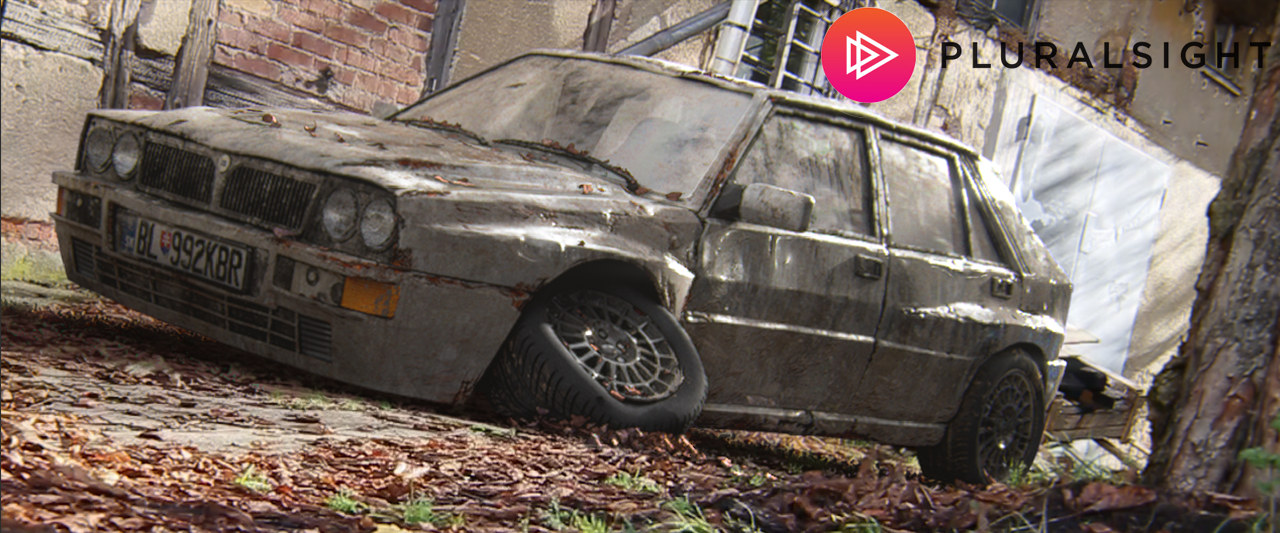
    A few months back Digital Tutors/Pluralsight have picked me up to release a training series with them. It’s entitled Intermediate to Advanced AOV Manipulation Techniques in NUKE. In it I will be showing some tips/tricks to work as efficiently as possible with multipass renders. It starts by giving a brief introduction to AOV’s for newcomers, just so that everyone is on the same page but will quickly ramp up into more advanced topics.
    After the introductions I prepared a small project to integrate a CG car into a live action environment. Tweaking it to make it look good in the shot and an indepth rundown on why I do what are just a few of the things I will be discussing.

    Also check out some before/after screenshots of the CG slapcomp vs the final composite to get a rough idea: (more…)

  • Sampling in RenderMan/RIS

    ris_sampling

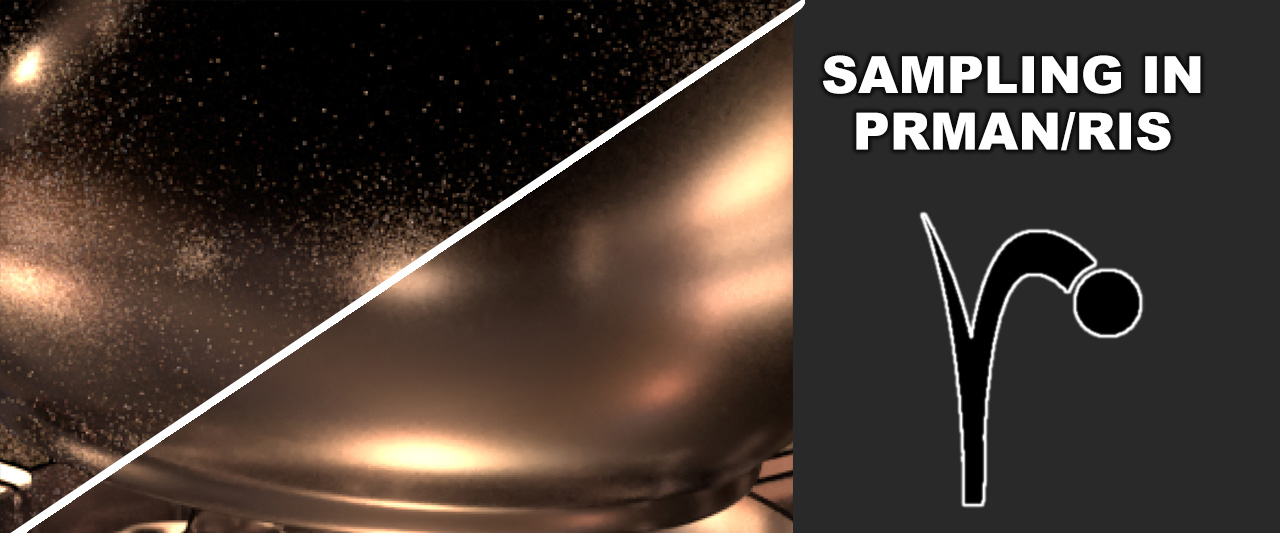
    The new RIS mode introduced in RenderMan 19 is a completely new render-engine that is very different from REYES. Being a brute force path tracer (uni- and bidirectional modes) it works much more like other renderers that follow a similar approach (e.g. Arnold). That approach aims to make the render process more simple and interactive. And while I personally don’t like it completely yet it seems to get widely adopted in the film industry and we all have to adjust to it sooner or later :) (more…)